· Diego Martínez Núñez · Resources · 2 min read
Digitization in Latin American agriculture
The inevitable path toward export and global compliance with FSMA 204 and EUDR.

The digital gap
Latin American agriculture faces a fundamental challenge: most production processes are still managed manually or with disconnected tools. This generates:
- Loss of critical data in the field
- Inability to respond to audits in real time
- Lack of visibility across the supply chain
- Difficulty proving regulatory compliance
The path to digitization
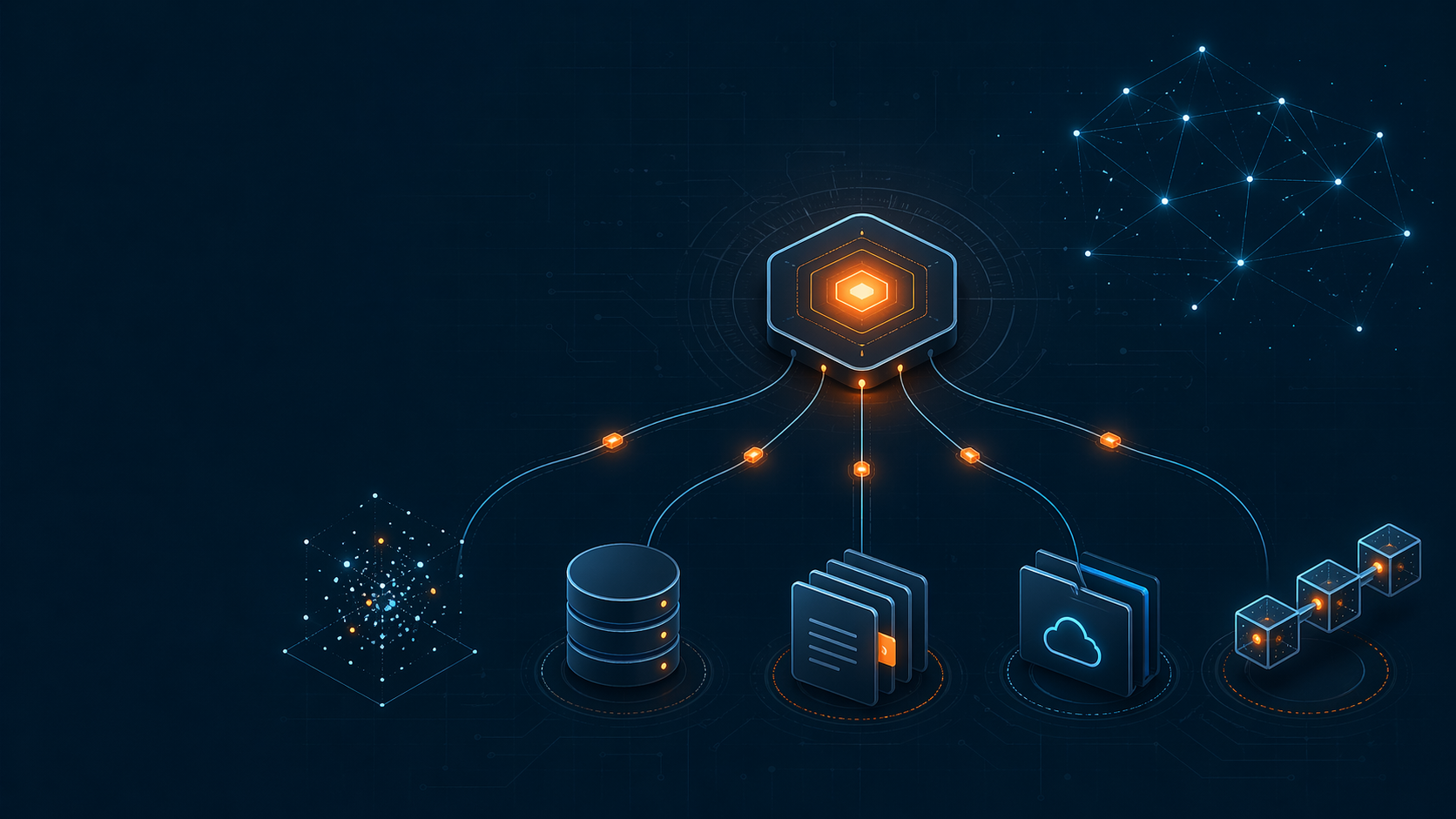
Digital transformation of agriculture doesn’t require replacing every existing system. Modern platforms like Darwin Evolution are designed to:
- Capture data at origin with mobile tools that work without connectivity
- Integrate with existing systems (ERP, WMS, IoT sensors)
- Structure information according to regulatory standards
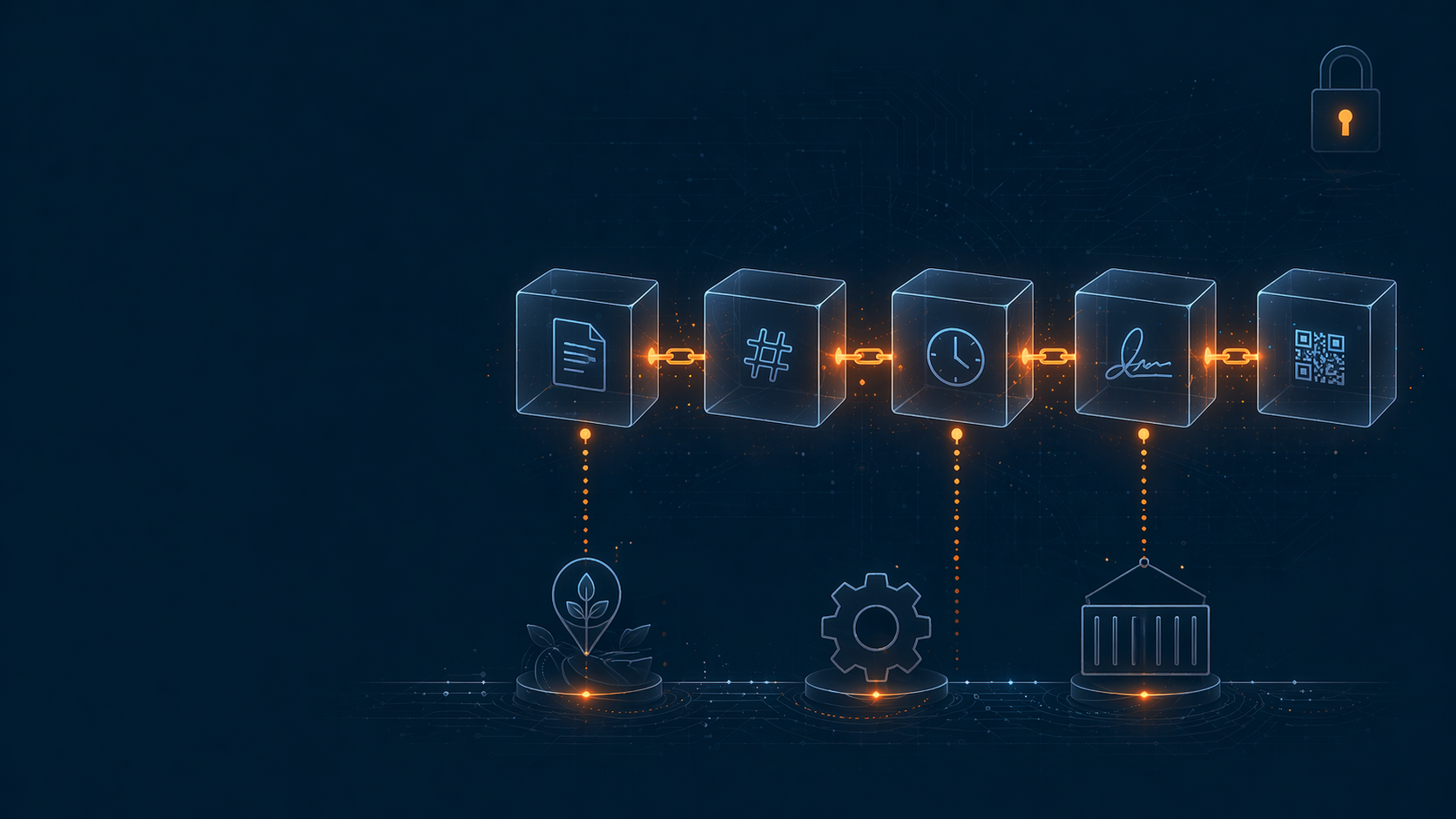
- Generate verifiable traceability through blockchain
The export imperative
For regional exporters, digitization is no longer optional. The destination markets — chiefly United States (FSMA 204) and European Union (EUDR) — demand verifiable evidence of production processes, from origin through to the final consumer.
Where to start
You don’t have to transform everything at once. The approach that works best in real operations:
- Discovery — map the chain and the Critical Tracking Events
- Pilot — scoped to a subset of operations (e.g., a single plant or route)
- Go-live — scale gradually to the full operation
With this methodology, companies capture value from the first few weeks, without waiting for a “big-bang” transformation that never arrives.
Conclusion
Digitization in the field is not a trend — it’s the next baseline. Companies that see it as strategic investment (not as regulatory spend) will be the ones leading the next decade of Latin American agriculture.