· Diego Martínez Núñez · Trazabilidad · 1 min read
Food traceability: beyond regulatory compliance
Traceability is not just a regulatory obligation — it's a competitive advantage that builds consumer trust.

Introduction
Food traceability has stopped being solely a regulatory requirement and become a competitive advantage. In a market where consumers increasingly demand transparency on the origin and processes behind the products they consume, companies that adopt robust traceability systems are better positioned.
Beyond compliance
While regulations like FSMA 204 in the United States and EUDR in Europe set mandatory requirements, leading companies are discovering that traceability offers benefits that go well beyond compliance:
- Consumer trust — consumers value being able to verify the origin of their food
- Operational efficiency — digitizing the supply chain reduces errors and costs
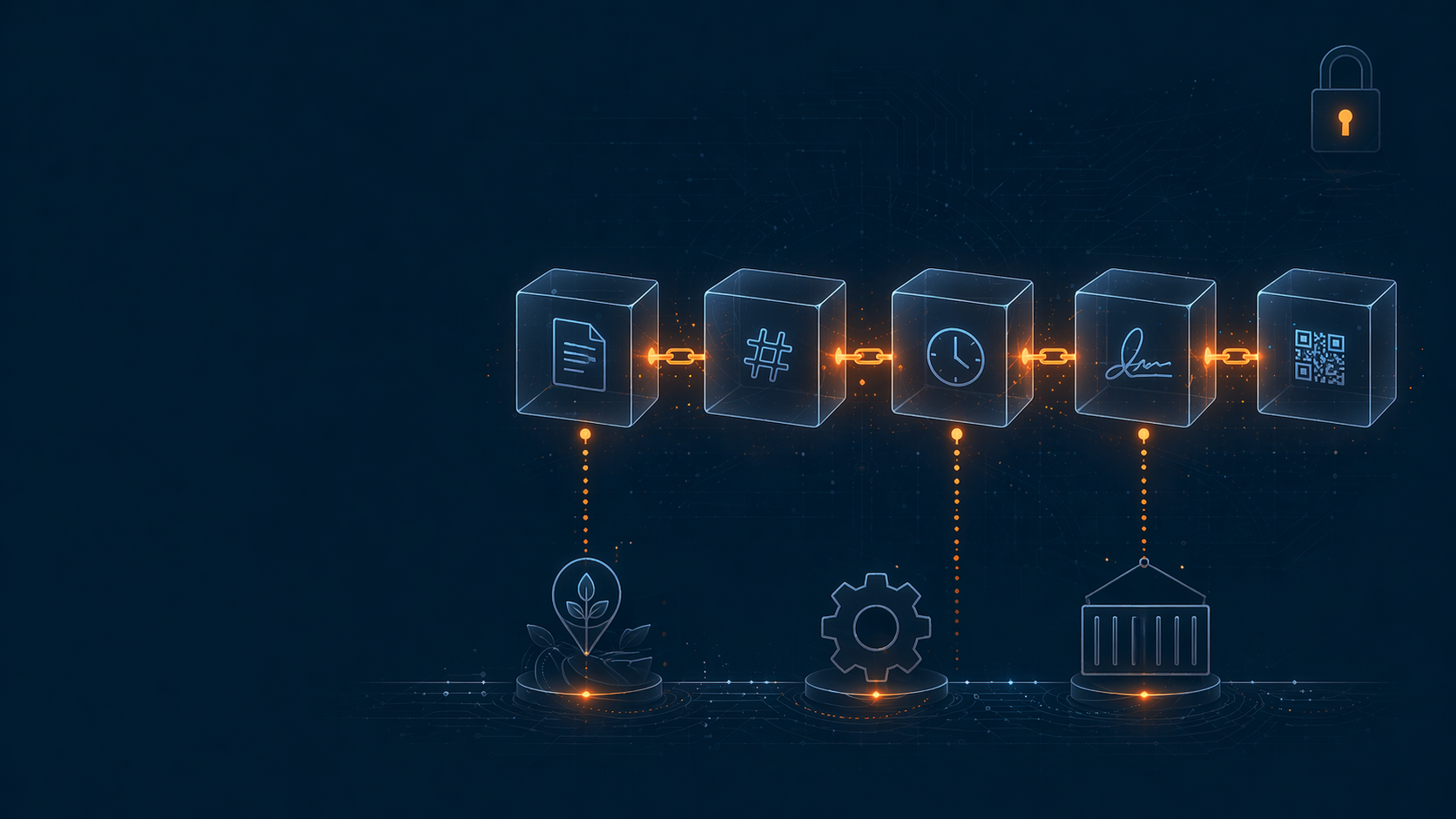
- Fraud reduction — immutable blockchain records prevent adulteration
- Sustainability — traceability lets you prove responsible practices
The role of technology
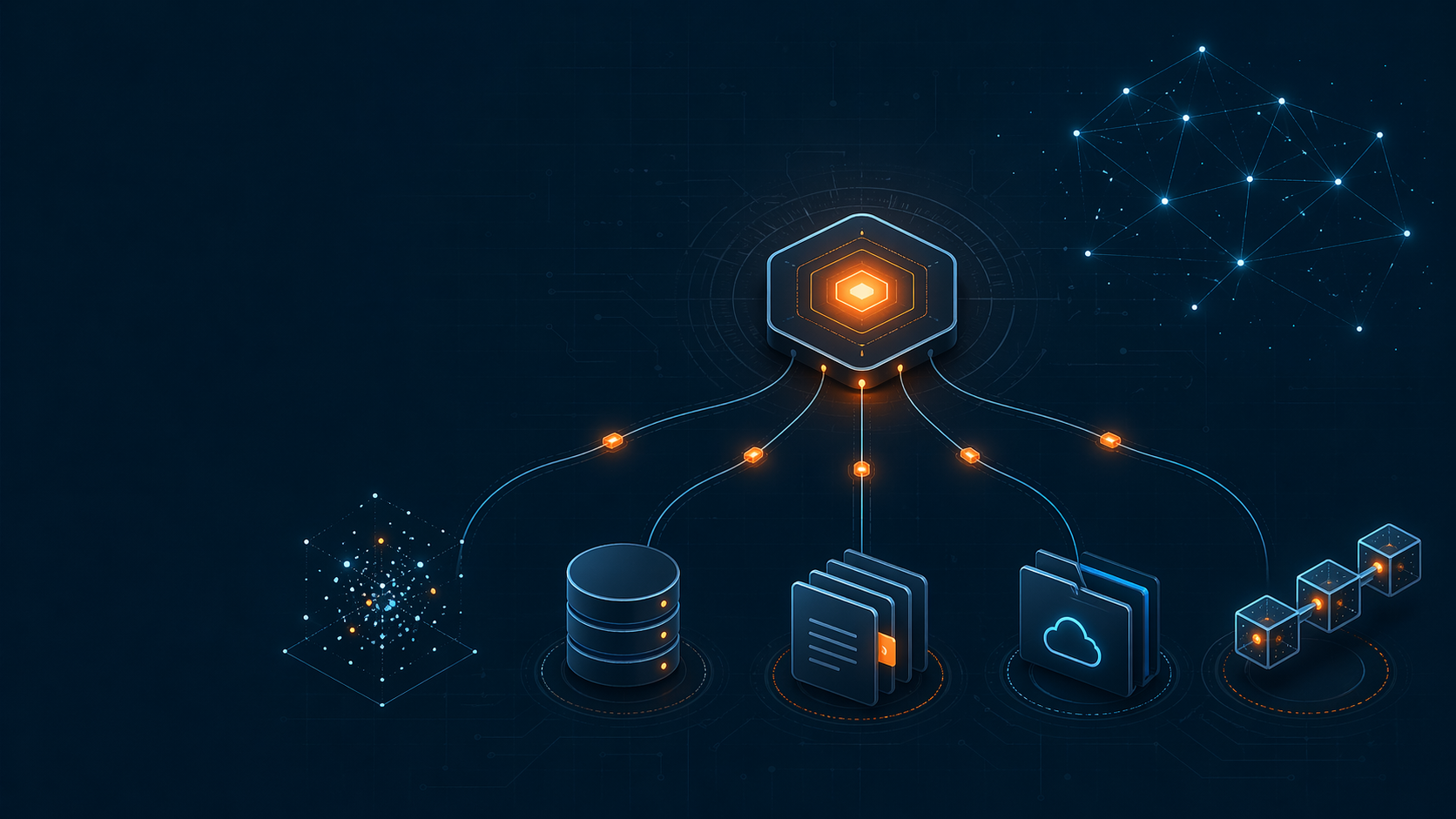
Modern traceability platforms, like Darwin Evolution, make it possible to capture data at origin — even without connectivity — and keep a verifiable record across the full value chain.
The combination of mobile-first capture, automatic validation, and blockchain anchoring turns traceability from a declarative obligation into verifiable evidence.
Conclusion
Companies that invest in traceability today don’t just comply with tomorrow’s regulations — they build the scarcest asset in the market: consumer trust backed by evidence.